
Design once, reuse everywhere
AI Character Generator
Design an original character, get a six-view reference sheet, and anchor every later image and clip to it — so the same design shows up in shot four as in shot one.
What gets locked:
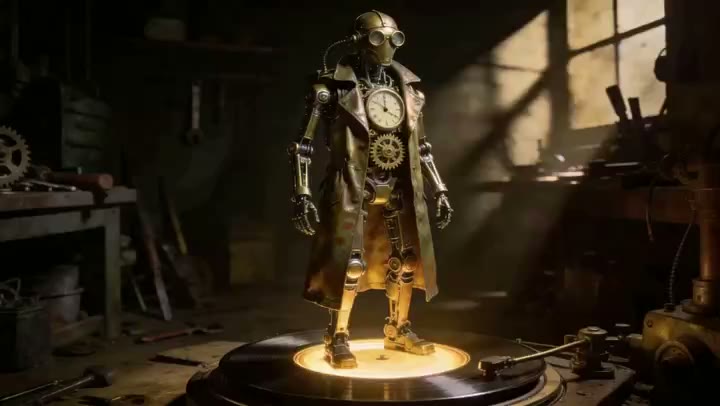
A reference sheet costs 3 credits and one view costs 1. Credits come from a WowMade plan, from $25 a month, renewing monthly until cancelled and cancellable online at any time — see pricing details.


The consistency problem, and what actually fixes it
Generating one good picture of a character is easy. Generating the second one is the problem. A prompt is a description, and two runs of the same description are two independent readings of it — the jaw moves, the coat changes length, the palette drifts warm. Across six shots that is six different characters wearing similar clothes, and no amount of prompt engineering fixes it, because the instruction was never specific enough to begin with.
A reference sheet replaces the description with a picture. You design the character once, the generator renders that same design from every canonical angle in one pass on a neutral studio background, and the sheet is stored. From then on you select the character rather than describing it, and the model is anchored to images instead of adjectives. That is the whole mechanism, and it is why the sheet is shot flat and grey: it is a reference, not a portfolio piece.
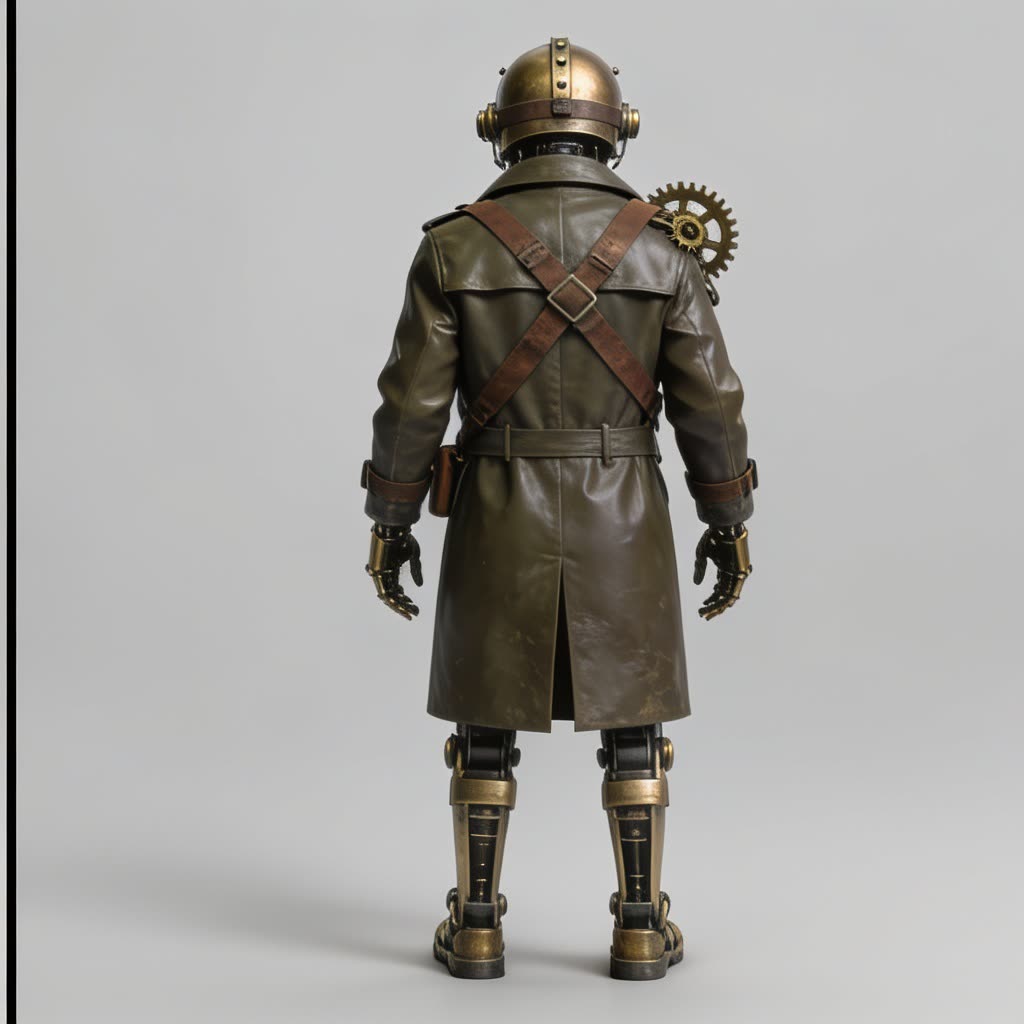
One design, four of its six views
The same brass automaton, generated as one sheet. Coat, fittings, proportions and light hold across every panel — that consistency is the product, not the picture.
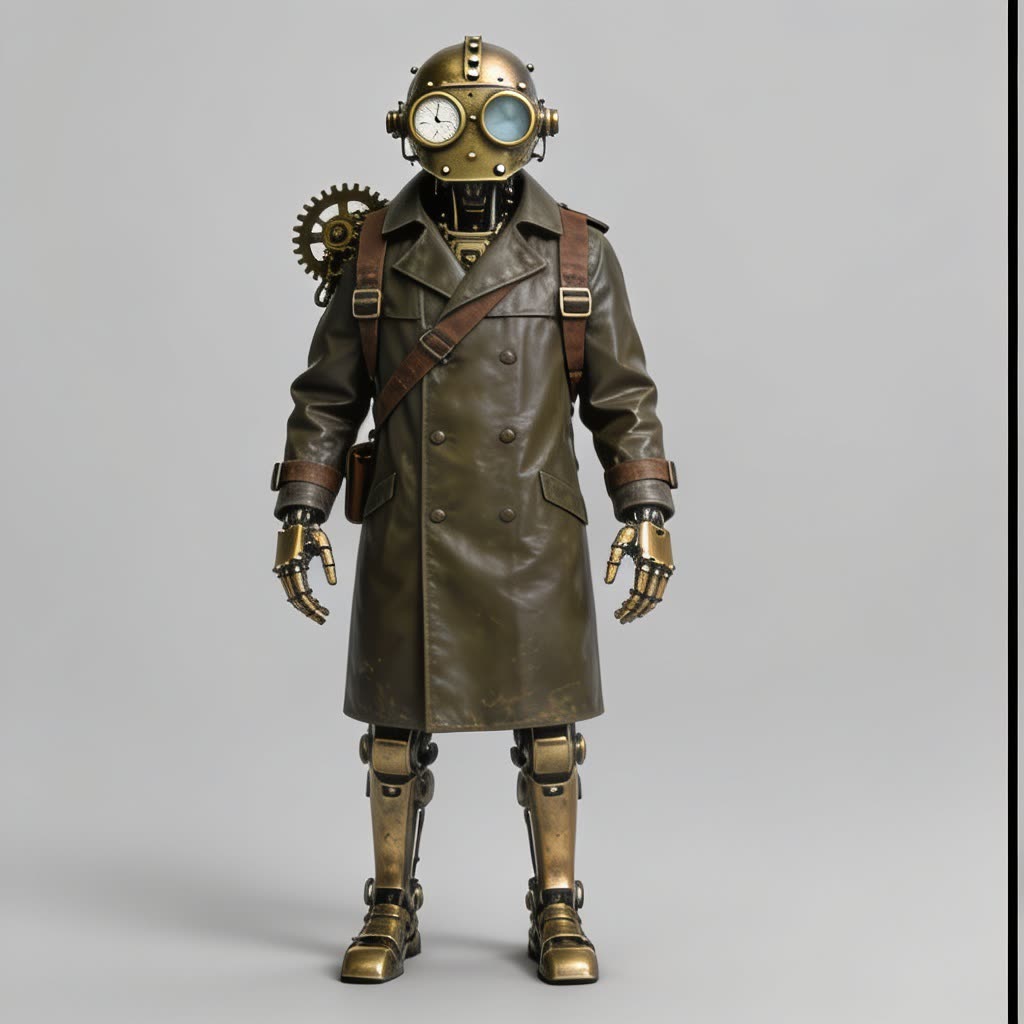 AI generated
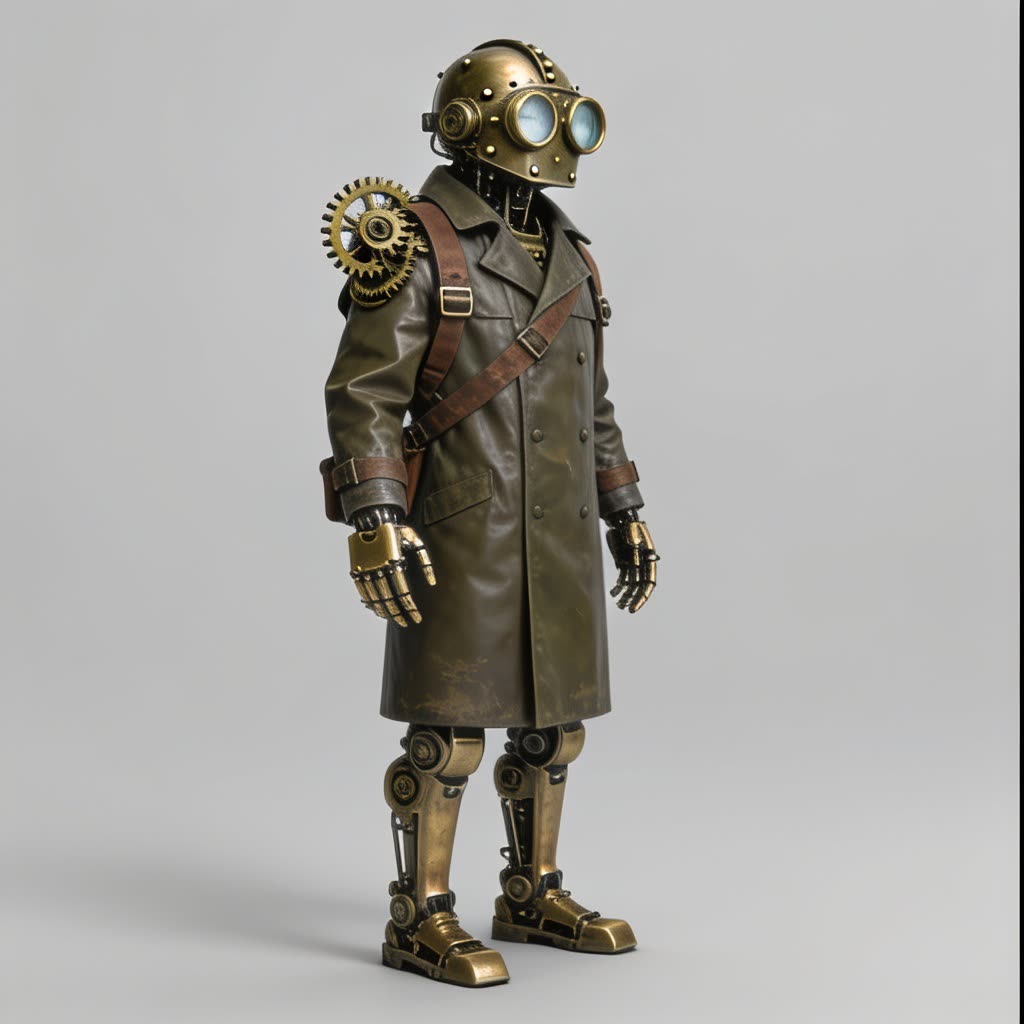 AI generated
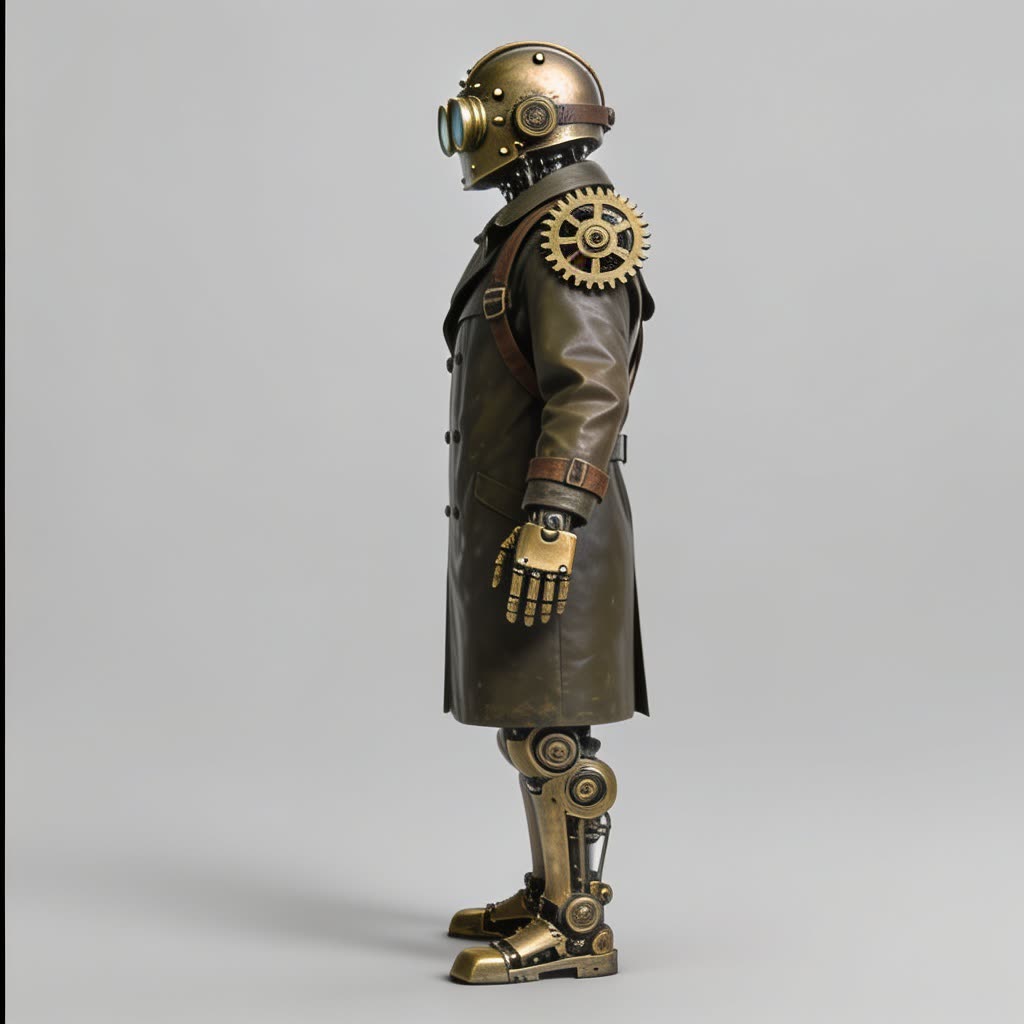 AI generated
 AI generated
How it works
Describe the character, or attach references
A written descriptor is enough to start. Reference images sharpen it — and if they show a real person, they have to be someone who agreed to it, which the section below covers properly.
Generate the sheet
One pass produces every canonical view at once for 3 credits. Any single view can be regenerated, edited with an instruction, or joined by a custom view for 1 credit.
Reuse it on everything after
The character is stored on your account. Select it on an image or a video generation and it is attached as an anchor reference, so later shots are anchored to the design instead of to a fresh reading of your words.
Characters and locations
The same mechanism runs on places, which is the half almost nobody uses. A location card holds one setting in four views with the architecture, layout, materials, props and lighting mood locked — the difference between a sequence set in one workshop and four shots that each invented a workshop.
| Kind | View | How the sheet is shot |
|---|---|---|
| Character | Front | Six-panel sheet, neutral grey studio, flat even light |
| Character | 3/4 view | Six-panel sheet, neutral grey studio, flat even light |
| Character | Profile | Six-panel sheet, neutral grey studio, flat even light |
| Character | Back | Six-panel sheet, neutral grey studio, flat even light |
| Character | Face | Six-panel sheet, neutral grey studio, flat even light |
| Character | Expression | Six-panel sheet, neutral grey studio, flat even light |
| Location | Wide shot | Four-panel sheet, clean neutral daylight |
| Location | Left angle | Four-panel sheet, clean neutral daylight |
| Location | Right angle | Four-panel sheet, clean neutral daylight |
| Location | Detail | Four-panel sheet, clean neutral daylight |
Views are generated together as one sheet so they share lighting and framing. That shared setup is what makes them work as references later.
What people lock down
Six jobs where the second shot is the one that matters.
Comics and storyboards
Twenty panels of the same protagonist. The sheet is the model sheet an illustrator would have drawn first, and it does the same job.
Game and pitch art
A turnaround for each concept, plus locked environments to place them in. Enough to take a pitch deck from mood board to something a team can build against.
Series and episodic video
The same designed character across episodes shot weeks apart, because the anchor is a file rather than a remembered prompt.
Brand mascots
One mascot rendered for every channel and format without a redraw, and without the version on the packaging disagreeing with the one in the ad.
Illustrated books
A cast that stays recognisable page to page, and settings that stay the same size and shape when the story returns to them.
Product scenes
A location card of your set, then the product dropped into it from every angle, lit the same way each time.
What this tool is not
WowMade does not sell identity transformation. This is a character design tool: it exists to make an invented character hold still across shots, not to put one person’s appearance onto another. There is no mode that does that and there will not be one.
References of a real person need that person’s agreement
You may build a character from photographs of someone who has agreed to it — that is your responsibility, and it is a real one. Every uploaded image is checked server-side before anything is generated and before any credits are spent: recognised public figures are blocked outright and the attempt is logged. The content and safety policy sets out the full list of what is prohibited, and content can be reported at any time.
Every view is marked as AI-generated
Reference sheets and individual views are AI-generated images and are marked as such: each carries a signed, time-stamped C2PA provenance manifest naming it as AI-generated and identifying the tool that produced it. The mark stays with the file after download, and anyone can read it back on the verification page.
Frequently asked questions
What people ask before they design the first one.
What does an AI character generator do?
It solves the consistency problem. Describe a character once and the generator produces a reference sheet of that same design seen from every canonical angle, then stores it. On every later image or video you pick the character instead of re-describing it, and the sheet is used as the anchor — so the coat, the proportions and the palette stay put from shot to shot.
Why do characters change between generations otherwise?
Because a prompt is a description, not an identity. Two runs of the same words are two independent interpretations, and small differences compound — a different jaw, a different jacket, a different height. Anchoring on a stored reference sheet replaces the description with a picture, which is a far more specific instruction than any sentence.
What views does the reference sheet contain?
Six for a character: front, three-quarter, profile, back, a face close-up with a neutral expression, and a second face close-up with an alternate expression. All six are generated as one sheet on a neutral grey studio background under flat even light, which is what makes them usable as references rather than as finished pictures.
How many credits does a character cost?
A full reference sheet costs 3 credits and is generated once. Regenerating a single view, editing one with an instruction, or adding a custom view costs 1 credit. After that the character is stored on your account and reusing it on a later generation costs nothing beyond that generation's own price.
Can I do the same thing for a place, not just a character?
Yes, and it is the half most people miss. A location card holds the same place in four views — a wide establishing shot, a left angle, a right angle and a close detail — with the architecture, materials, props and lighting mood locked. It is what stops a series of shots supposedly set in one room from being four different rooms.
Can I build a character from photographs of a real person?
Only with that person's agreement, and never of a public figure. Uploaded images pass a server-side check before anything is generated: recognised public figures are blocked outright, and the content and safety policy sets out the rest. Consent for the images you upload is your responsibility and the platform enforces the parts it can detect.
Can I use the character in videos as well as images?
Yes. A stored character can be attached as reference media on a video generation, which is how a scene keeps the same design across shots that were rendered minutes apart. The video engines accept reference images alongside a prompt and a start frame, so the character, the setting and the camera move can all be specified at once.
Do I own the characters I design?
Commercial use is included with every WowMade plan and credit pack, so a character you design can go into client work, a comic, an ad or a game pitch. The characters and locations you create are stored on your own account and only you can see or use them.
Are the generated views marked as AI-generated?
Yes. Every image WowMade produces, reference sheets included, carries a signed C2PA provenance manifest identifying it as AI-generated and naming the tool that made it, in line with Article 50 of the EU AI Act. The mark travels with the file when you download it and anyone can read it back on the verification page.
Where a locked character goes
The sheet is the start of the work, not the end of it.
Design them once. Recognise them every time.
Design a characterA reference sheet costs 3 credits. Plans start at $25 a month, renew monthly until cancelled and can be cancelled online at any time — see pricing details.