A practical workflow to test AI voices for narration, dubbing, and character casting
A repeatable workflow to test AI voices for narration, dubbing, and character casting — MOS, A/B tests, script design, and a hands‑on WowMade AI Voices walkthrough.
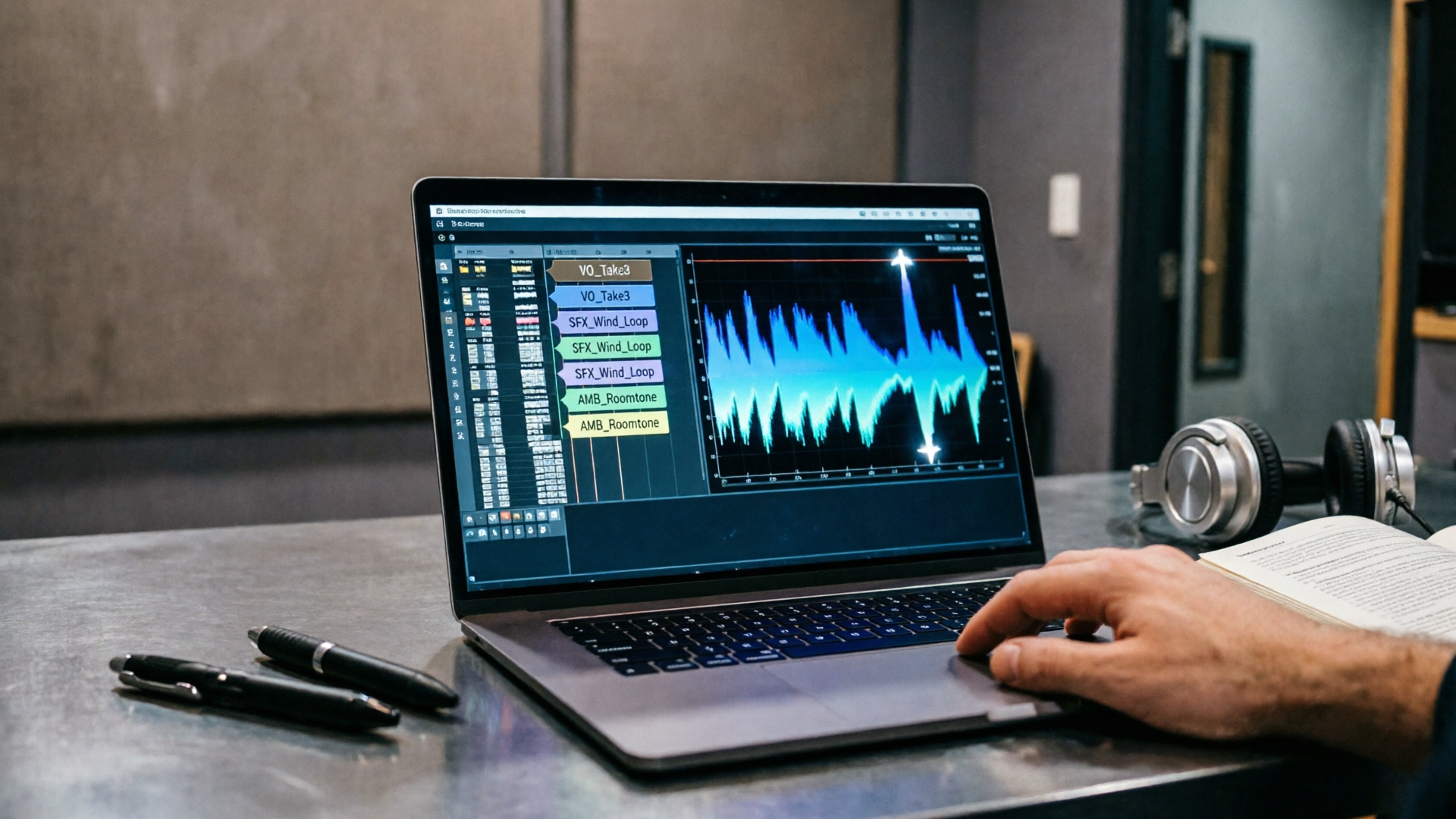
If you need to test AI voices quickly and reliably, you need a repeatable process — not random auditions. This guide shows video producers and indie creators how to test AI voices with listener metrics, A/B checks, and representative scripts, and why WowMade AI Voices is the fastest way to run those experiments. You’ll learn what to measure, how to run crowdsourced listening rounds, and a short hands‑on walkthrough that turns test batches into a final clone or stock voice.
Why deliberate voice testing beats ‘pick one and hope’
Voice choice dramatically changes how an audience receives your content: the same script can feel authoritative, playful, or exhausting depending on delivery. Picking a voice by gut or aesthetics risks audience mismatch and wasted rework — especially for localization or long‑form narration where listener fatigue compounds over minutes. Deliberate voice testing replaces guesswork with data and repeatable judgments.
The value of a structured approach is twofold. First, you separate absolute quality from preference: a synthetic voice can score high on naturalness yet still lose in a side‑by‑side preference test. Second, you discover failure modes early — timing problems, intelligibility on dense passages, or emotional mismatch — before committing to a full project.
Practically: start with a small matrix of voices (3–8 variants), run quick MOS or pairwise tests, and iterate. Tools that let you clone a reference and generate dozens of variants from the same script let you converge on a winner in hours instead of days. That’s why WowMade AI Voices appears throughout this guide: it can clone a voice from a short sample, generate narration from text in dozens of voices, and produce language dubs that keep the speaker’s vibe — all useful for repeatable experiments.
Define your narration goal and audience before you cast voices
Begin every selection exercise by defining two things: the narration goal and the listener profile. Are you narrating an explainer where clarity and steady pacing matter, or a character performance that needs emotional contour and contrast? Is the target audience global, or a specific demographic that expects a particular accent or register?
A clear goal shapes your test scripts and metrics. For example, an educational lesson prioritizes intelligibility and consistent pacing, while a YouTube essay prioritizes personality and viewer engagement. For dubbing, the goal often includes matching on‑screen lip timing and emotional intent in the target language; that requires different evaluation criteria than a single‑speaker narration.
Define success criteria up front: a target MOS range, a minimum preference share in pairwise tests, or timing tolerances (e.g., translated line must fit within ±200 ms of original shot duration). Recording those targets prevents scope creep and provides an objective stop condition for testing.
Reference frameworks help. The Library of Congress narration specs and casting guidance like Backstage’s audition advice emphasize matching vocal range, breath control, and delivery to the text. Use those principles to choose which voice archetypes to generate in your first batch.
Create representative test scripts and build voice variants (hands‑on)
Good tests start with scripts that reflect the actual content the voice will carry. That means including short descriptive passages, conversational dialogue, numbers/dates, and fast‑paced lines where syllable density rises.
Step‑by‑step: how to build a test batch
- Pick 3–5 short excerpts (15–40 seconds each) that together cover descriptive narration, a conversational exchange, and a high‑syllable informational sentence. These capture phrasing, pacing, and intelligibility.
- Create a control: one clean human read (or your baseline synthetic voice) to anchor MOS judgments.
- Use WowMade AI Voices to generate variants: choose several stock voices across pitch and timbre, and create 1–2 clones from short samples if you need a consistent persona. Voice cloning works from a short, clean sample — a major time saver for creators who want a repeatable sound without re‑recording.
- Export WAV or MP3 files tagged with variant IDs and the excerpt name so listeners won’t be biased by filenames.
Why multiple excerpts matter: a voice that shines on a soft descriptive passage may stumble on faster or more emotional lines. By testing a representative slice of the project, you catch those differences early.
Practical note on variant design: include neutral, warm, and characterized deliveries for the same voice. That lets you separate a voice’s intrinsic qualities from the performance choices you can later tweak in WowMade AI Voices’ generation controls.

Subjective and objective metrics that actually predict viewer satisfaction
Choosing metrics is where many tests fail. Relying solely on absolute naturalness misses preference; relying only on pairwise choices misses absolute defects. Use a complementary metric set.
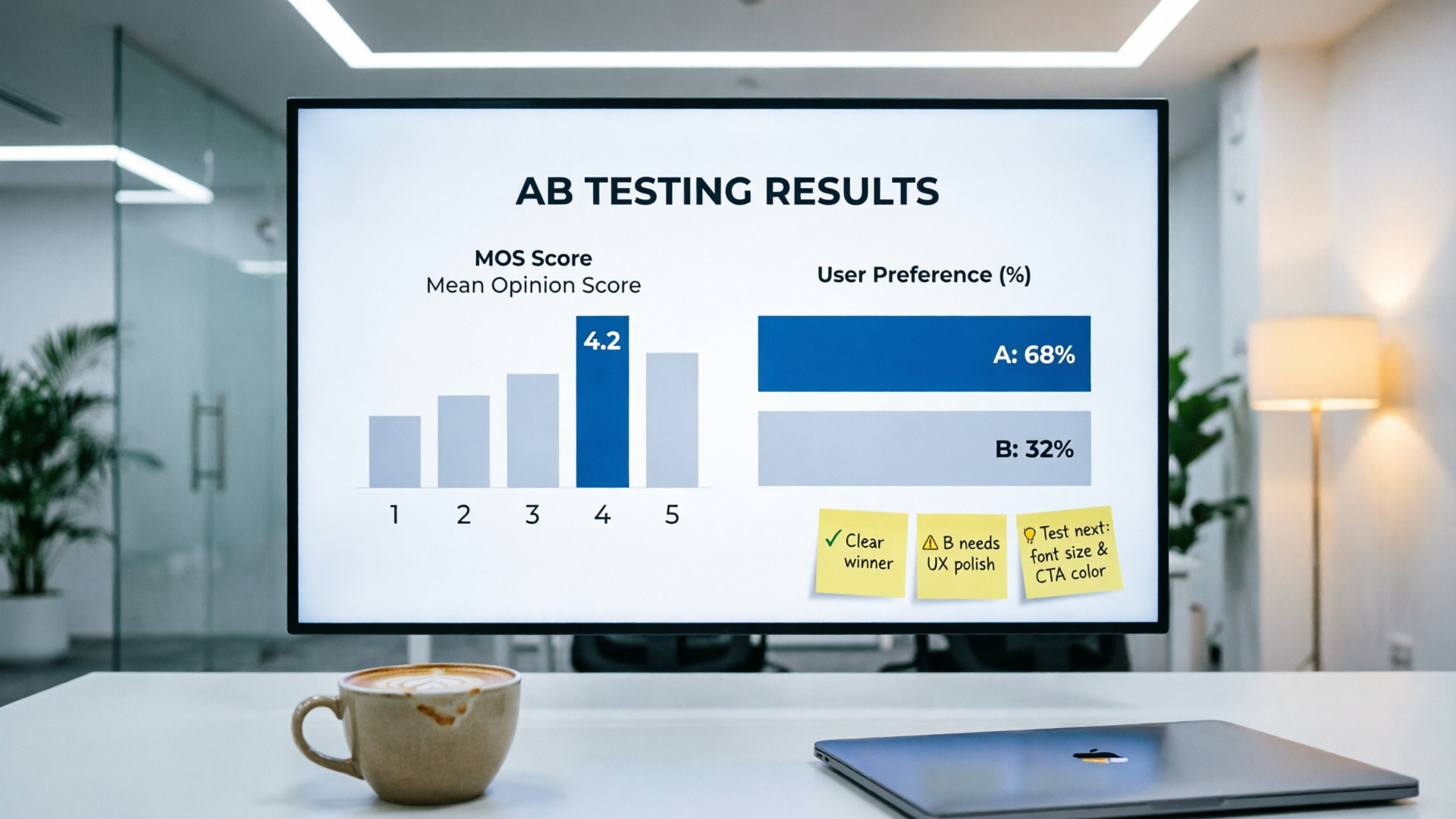
- Mean Opinion Score (MOS): A five‑point subjective scale where listeners rate speech quality from 1 (Bad) to 5 (Excellent). MOS remains the most common way to measure perceived naturalness and overall quality and is ideal as your absolute quality baseline. See practical tutorials on MOS and related methods for how to structure ratings.
- MUSHRA and AB/ABX: Use MUSHRA or MOS for absolute judgments across multiple variants. For sensitive pairwise discrimination (when two options feel similar), use AB/ABX or A/B preference tests to detect small but consistent preferences. Recent benchmarking efforts recommend combining these methods for robust evaluation.
- Objective measures for specific failure modes: speech rate (syllables per second), word error rate (via an ASR pass to detect intelligibility drops), and alignment/timing deltas for dubbed lines. These objective values won’t replace listener judgment but are excellent for triage and automation.
- Listener agreement and attention checks: when you crowdsource, include gold‑standard items and attention checks. Crowdsourced listening tests are valid when they follow standard protocols (clear instructions, attention checks, and diverse listeners). Properly designed crowdMOS experiments can scale faster than lab testing and still give reliable MOS values.
Together, these metrics predict viewer satisfaction better than any single measure. MOS tells you if voices are broadly acceptable; AB/ABX finds the preferred pick for your audience; objective checks flag technical issues to fix before launch.
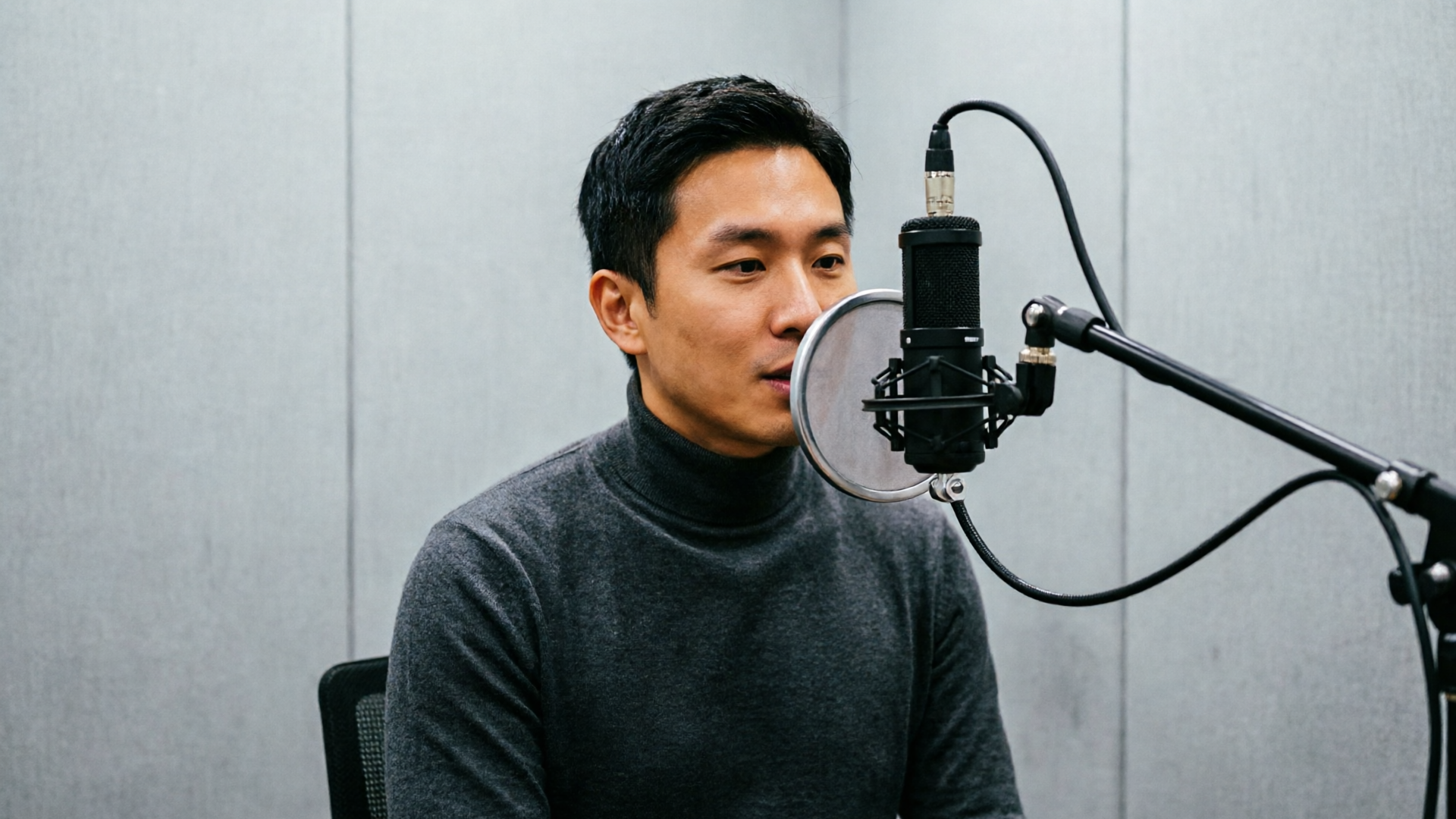
Run fast A/B and ABX listening sessions: a reproducible testing workflow (hands‑on)
You want a testing loop that’s fast, reproducible, and gives you statistical confidence. Keep each round narrow: three to five voice variants, two to three excerpts, and a fixed listener pool size (e.g., 30–50 responses per excerpt) yields actionable data quickly.
Step‑by‑step A/B and ABX workflow
- Prepare materials: label excerpts, export high‑quality clips, and decide which judgments you want (MOS + A/B preference or ABX discrimination).
- Host the test: use a crowdsourcing platform or an internal panel. Provide clear instructions, playback controls, and attention checks. Randomize order and avoid giving listeners context beyond neutral instructions.
- Collect MOS for each clip and run A/B preference pairs for the variants you want to compare directly. Use ABX where you expect near‑ties to ensure listeners can reliably distinguish.
- Analyze: compute mean MOS with confidence intervals, preference shares, and statistical tests for significance on pairwise comparisons. Look for consistent winners across excerpts — a variant that wins on all excerpts is a strong candidate.
Example decision rule: if a variant’s MOS is ≥4.0 and it wins ≥60% of pairwise A/B comparisons across excerpts, mark it as “production ready.” If MOS is high but timing issues appear in the objective checks (e.g., dubbed lines exceed shot length), iterate on generation settings or choose a different voice.
Why WowMade AI Voices speeds this up: cloning from a short sample and generating dozens of takes from the same script means you can produce controlled variant batches in minutes, export them, and relaunch a second round with subtle performance tweaks without booking studio time.
Casting voice archetypes and mapping variants to role/function
Think of casting as mapping functional roles to voice archetypes, not just picking “good” voices. A consistent taxonomy speeds decisions and communicates intent to stakeholders.
Common archetypes and functions
- Guide / Explainer (neutral, calm, mid‑range): used for step‑by‑step lessons and explainers. Prioritize clarity and steady pacing.
- Storyteller / Essayist (expressive, dynamic): suitable for longform commentary where engagement depends on phrasing and contrast.
- Character / Villain / Hero (exaggerated timbre, specific acting choices): used in animation or game content where distinctiveness matters.
- Localization Anchor (matched timbre across languages): for dubbed content where the audience expects the same persona in a different language.
For each role, define accept/reject criteria: required MOS floor, acceptable speech rate range, and emotional bandwidth (how much amplitude/intonation variance the role can show). Then generate variants in WowMade AI Voices that match those archetypes: use stock voices for quick auditions and clone a reference when you must keep a specific persona across projects.
Mapping variants to role/function reduces friction later. For example: mark variant A as “Guide (en-US, neutral)” and variant B as “Storyteller (en-US, warm)” so editors, localizers, and voice directors all use the same labels in A/B tests and production renders.
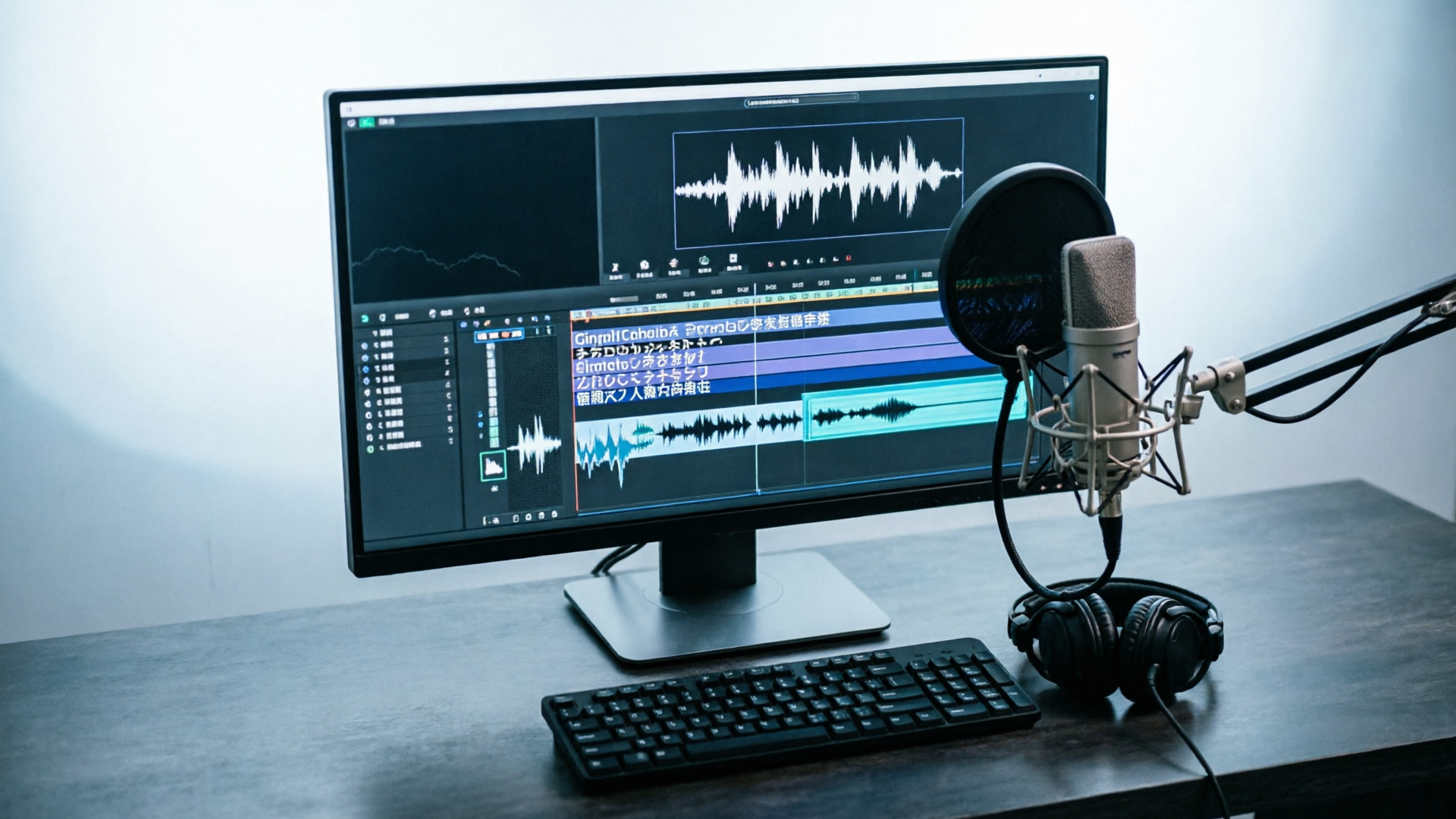
Dubbing and localization: how to test AI voices across languages and pacing
Localization adds extra constraints: intelligibility, syllable density, and timing alignment with on‑screen visuals. Two voices can tie on MOS yet behave very differently when their translations are constrained by shot length.
Testing checklist for dubbing
- Intelligibility: run an ASR pass or comprehension questions to confirm listeners understand the translated lines.
- Timing: measure syllable density and duration; require translated lines to fit the original shot within a set tolerance (for example, ±200 ms). If lines consistently overrun, you’ll need a different voice or adjusted phrasing.
- Emotional alignment: run small emotion‑matching tasks where listeners rate how well the target voice conveys the original intent.
Practical workflow: generate the dubbed lines in WowMade AI Voices and use automated alignment tools (or the platform’s lipsync export) to test timing quickly. Compare MOS for naturalness in the target language alongside objective timing deltas. The combination flags voices that feel natural but fail to meet pacing requirements.
Note on multilingual persona: WowMade AI Voices can clone your speaker’s vibe and produce multilingual outputs, which helps keep a consistent brand persona across languages. Still, validate each language independently because phonetic and prosodic differences can change perceived character.
Legal, ethical, and consent checklist for voice cloning and redistribution
Voice cloning can be legally and ethically sensitive. Before you clone or commercialize a voice, follow a short checklist:
- Informed consent: obtain written permission from the original speaker that clearly describes permitted uses, duration, and any revenue or credit arrangements. Consent must be explicit for cloning.
- Usage boundaries: record and store a usage policy (e.g., internal demos only, or commercial distribution allowed). Share that policy with any collaborators or platforms you publish to.
- Attribution and transparency: when appropriate, disclose synthetic voices in descriptions or credits. Transparency builds trust with listeners and partners.
- Rights and compensation: if cloning a professional actor, clarify compensation, residuals, or reuse fees in the contract.
- Data hygiene: keep the source sample and model artifacts secure. If you share clones with teams, log exports and who accessed them.
These are standard industry practices — product teams like OpenAI documented the deliberate casting and actor collaboration process used to develop ChatGPT voices as a model for transparent, consent‑oriented workflows. Treat consent and contract clarity as non‑negotiable before you deploy clones in public or commercial projects.
A step‑by‑step WowMade AI Voices workflow: from test batch to final render
This final hands‑on walkthrough turns the previous sections into a concrete routine you can use next week. The primary goal: run a rapid test, select a winner, and produce a final narration or dub using WowMade AI Voices.
Step‑by‑step WowMade AI Voices walkthrough
- Prepare your test scripts (3 excerpts, 15–40s each) covering descriptive, conversational, and high‑syllable lines to capture pacing and intelligibility. Save as plain text.
- Create variants: open WowMade AI Voices (/ai-voices) and do two things — pick three stock voices that match your target archetypes and upload a short, clean sample to clone one reference if needed. The platform clones from a short sample so you don’t need long studio sessions.
- Generate clips: paste each excerpt into the voice generator, export high‑quality WAVs labeled with voice and excerpt IDs, and produce a control human read for MOS anchoring.
- Run tests: host a MOS plus A/B preference round with 30–50 listeners per excerpt. Use crowdsourcing or an internal panel and include attention checks. Collect MOS and pairwise preferences.
- Analyze results: pick variants with MOS ≥ your target and consistent preference wins. Check objective measures: speech rate and (for dubbing) timing deltas. If a top variant fails timing, try a slightly faster or slower stock voice, or regenerate with different pacing parameters.
- Iterate: use WowMade AI Voices to fine‑tune delivery — subtle changes in emphasis and speaking rate often fix edge cases without recloning.
- Final render: once you have a winner, render full scripts in the chosen voice and export aligned audio for your edit. If you need background music, generate a quick track with the AI Music Generator (/create-music) and drop it beneath the narration to test masking and intelligibility in context.
Worked example
Imagine you produce a 7‑minute explainer. You prepare three 30s excerpts: an opening hook, an explanatory paragraph with numbers, and a quick technical sentence with dense syllables. You create three variants in WowMade AI Voices: Stock A (neutral), Stock B (warm), and Clone C (your presenter cloned from a short sample). After running MOS and A/B tests with 40 listeners, Clone C scores 4.3 MOS and wins 70% of pairwise A/B votes across excerpts — but the dub timing for the technical sentence slightly overruns the intended shot. You regenerate Clone C with a slightly faster speaking rate setting, retest that one excerpt, confirm the timing delta is within tolerance, and then render the full narration. The clone workflow saved you a recording session and ensured consistent persona across edits.
Pull‑quote
Run MOS to filter out unusable voices, then AB/ABX to pick the winner — it’s the fastest path from dozens of ideas to a single production‑ready voice.
Throughout this guide we referenced complementary tools: use the AI Video Generator (/create-video) when you need to preview audio in shot timing and the AI Image Generator (/create-image) when building thumbnails that match the chosen persona. For quick background beds, the AI Music Generator (/create-music) is a fast source of copyright‑free tracks that let you validate intelligibility in a near‑final mix.
Conclusion
Testing voices is a process: design goals, pick representative scripts, measure with MOS plus pairwise tests, and iterate until a single variant meets your quality and timing targets. WowMade AI Voices makes that loop fast — clone a reference from a short sample, generate controlled batches across archetypes, and export aligned dubs that drop straight into your edit. Open the AI Voices page and run a test batch today; you’ll reach a production‑ready voice in a single afternoon.